Coolants and lubricants
We recommended positioning around quality, meeting specifications, and service. Technical confidence mattered to customers who could not afford a product failure.
 outpace
LubrichemCommercial strategy
Lubrichem had built a South African business on reliable lubricant filling, customer relationships, and technical expertise. As it expanded into coolants and base-oil trading, leadership wanted a clearer route to growth and a stronger position for a possible sale.
The question was where to focus. Different product lines served different needs. Competing on price could overlook the very services that made Lubrichem valuable to its customers.
Commercial strategy · Customer research · Positioning · Market development · Customer journey · Sales and marketing planning
For a buyer, a late delivery or a product that misses specification can disrupt an operation. Our customer analysis examined those pressures alongside the need for consistent stock, clear communication, and dependable support.
That made Lubrichem’s existing strengths commercially relevant: inventory availability, responsive loading, quality controls, customer training, and flexible service. We connected what the company did well to the problems its customers needed solved.
We recommended positioning around quality, meeting specifications, and service. Technical confidence mattered to customers who could not afford a product failure.
We identified price and responsiveness as the stronger commercial starting points. Fast loading and supplier relationships gave the sales conversation something concrete to explain.
The wider review tested whether additional service should command a higher price, create opportunities for other business, or be directed toward customers whose requirements made it more valuable.
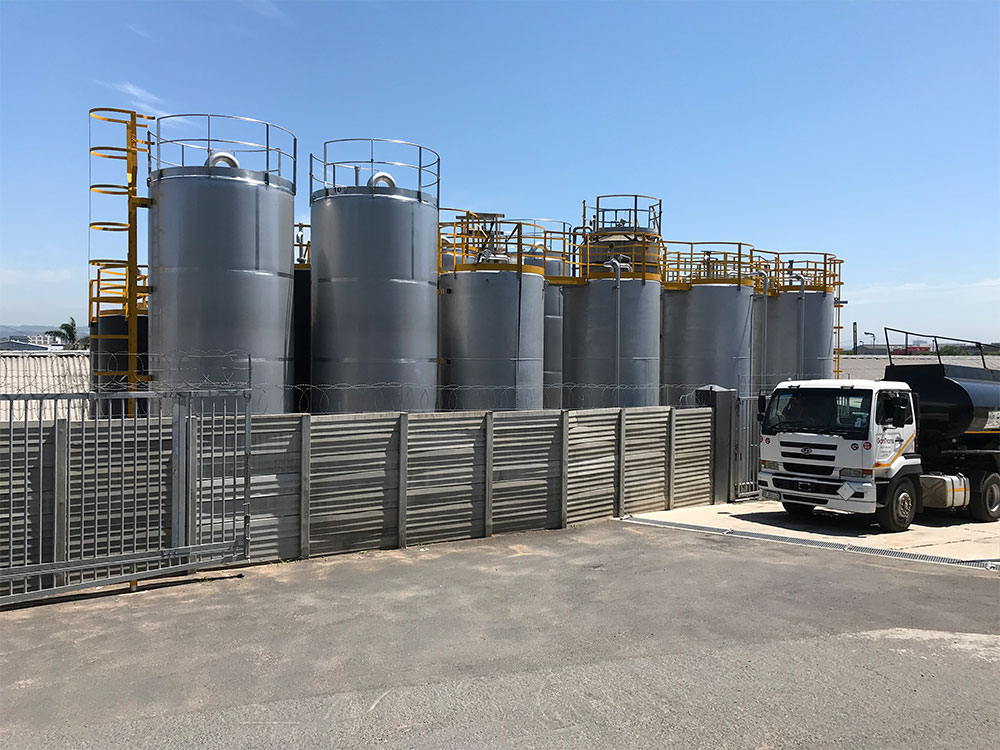
We explored growth beyond the current customer base, including coolant opportunities with automotive manufacturers and data centers, adjacent product categories, and additional African markets.
The strategy set out a way to assess each opportunity against the company’s capabilities, regulations, and logistics before setting commercial targets. It gave leadership a basis for choosing where to invest limited time and resources.
The existing journey relied heavily on personal meetings and sales relationships. We designed a broader route that supported those relationships before and after the quote.
Use relevant trade associations, industry events, online search, and selective advertising to introduce the business to suitable buyers.
Connect the website, landing pages, and technical information with sales visits and email follow-up so prospects can assess the offer.
Clarify the steps from quote or RFP through onboarding, with ownership of the customer relationship.
Plan regular communication, training, reviews, and issue handling as part of the service rather than leaving them to chance.
We examined outsourced marketing and independent sales support as ways to add capacity without immediately building a large internal team. These were options for leadership to evaluate against cost, accountability, and the needs of each business line.
The recommendations also defined what to track: qualified leads, sales activity, new accounts, and revenue from those accounts. That connected marketing activity to commercial responsibility.
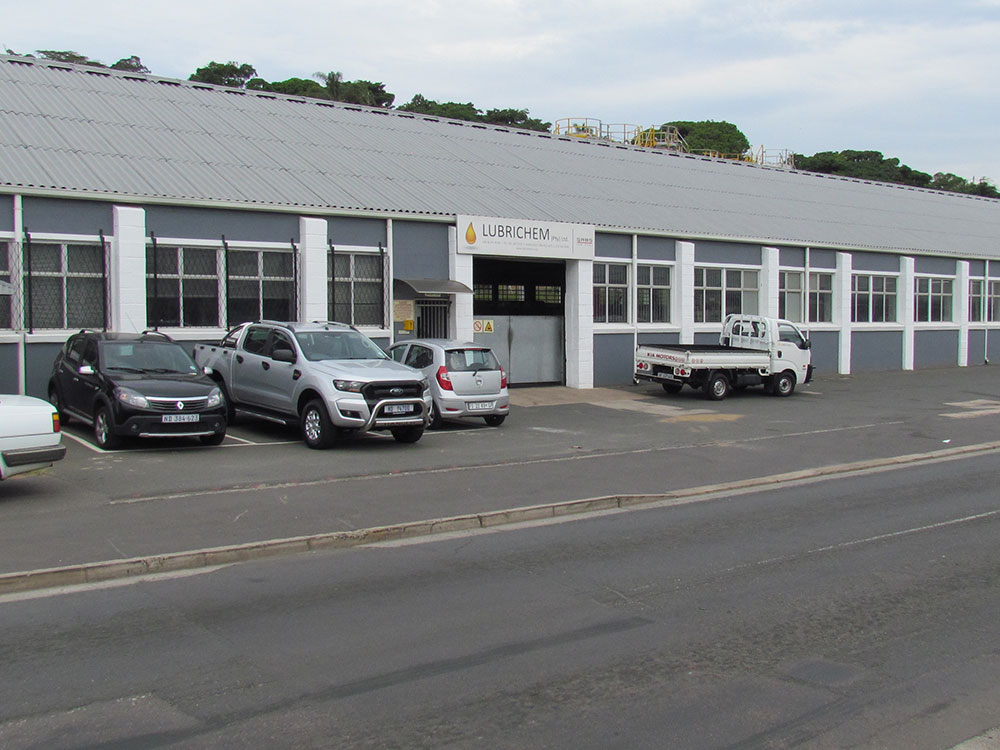
The engagement gave Lubrichem clearer positioning by product line, a way to assess new markets, and a customer journey linked to sales and retention. It provided commercial direction for the approximately 36-month scale-or-sale planning horizon. Leadership had a practical basis for deciding which customers to pursue, what value to emphasize, and how to organize the work.
Our commercial and marketing contribution formed part of a wider team consulting engagement that also examined finance, operations, and organizational change.